The short answer
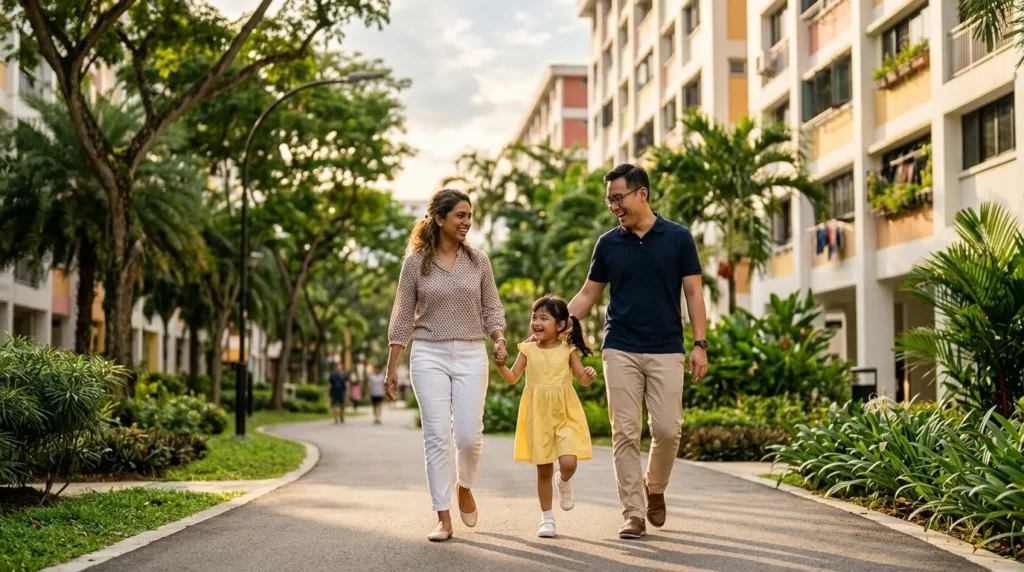
Yes, but with real conditions. A Singapore permanent resident can buy an HDB flat only on the resale market, only after holding PR status for at least three years, and only together with a family nucleus. PRs cannot buy a new flat directly from HDB, and they pay Additional Buyer’s Stamp Duty on top of the purchase price. Housing rules change from time to time, so confirm the current position with HDB before you commit.
The three-year rule
This is the condition that catches most people out. Every applicant and co-applicant must have held permanent residency for at least three continuous years before applying, counted from the date your status was granted rather than from when you first arrived in Singapore or when you applied.
In practice, that means new PRs cannot buy an HDB flat immediately. If housing is a major reason you are pursuing permanent residency, build the three-year wait into your plans from the start rather than discovering it later. It is also a good reason to know exactly which month your PR status was granted.
Resale only: what PRs cannot buy
PRs are limited to the open resale market. The following are not available to you as a PR:
- New BTO flats bought directly from HDB, in any classification, whether Standard, Plus or Prime.
- Any other new flat sold directly by HDB, including balloting exercises.
- A new executive condominium bought from the developer.
There is one useful nuance on executive condominiums. While a new EC is not open to PRs, a resale EC becomes available to permanent residents once it has passed its five-year minimum occupation period, and after ten years it is fully privatised and open to foreign buyers as well. That makes resale ECs worth a look if a resale flat does not suit you.
You need a family nucleus
HDB requires PR buyers to form a family nucleus, which in most cases means a married couple applying together, either two PRs or a PR with a Singapore citizen. A single permanent resident cannot buy an HDB flat on their own, no matter how long they have held their status. This is one of the clearest differences between PR and citizen status, since single citizens can buy a resale flat from the age of 35.
What it costs extra: ABSD
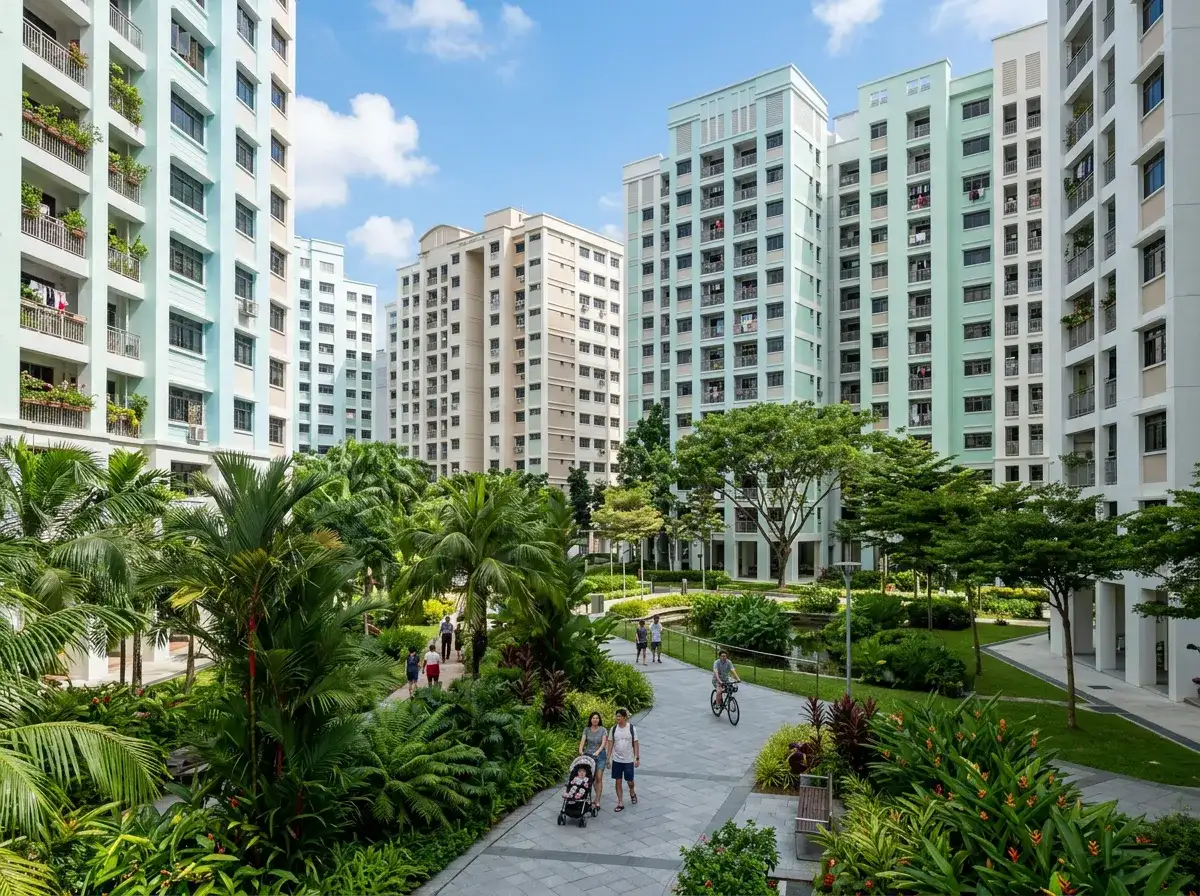
Permanent residents pay Additional Buyer’s Stamp Duty on residential property, and it applies from your very first purchase. As of 2026, the rate is 5 percent for a PR buying a first residential property, rising steeply to 30 percent on a second. Singapore citizens pay nothing on a first property, which is where a large part of the financial gap between the two statuses sits.
Two practical points. ABSD falls due shortly after the agreement is signed, so plan to have that money ready rather than assuming it can be folded into your loan, and check with IRAS what you can and cannot use CPF for. On a S$600,000 resale flat, 5 percent is S$30,000 on top of your deposit, which is not a rounding error. Buyer’s Stamp Duty applies as well, and that one applies to citizens too.
CPF housing grants: what PRs do not get
This is the second half of the cost gap. The CPF housing grants that substantially reduce the price of a resale flat for citizen households are generally not available to PR households. A PR couple buying a resale flat is typically paying closer to the full market price while a comparable citizen household may receive meaningful grant support.
Your own CPF savings can still be used towards the purchase in the normal way, which is why the timing of your PR status matters. Contributions start the month after your status is granted and build gradually, so it is worth understanding how CPF contributions work as a new PR before you fix a purchase timeline.
After you buy: the occupation period
Once you own a resale flat you must live in it for a minimum occupation period, ordinarily five years, before you can sell it. As a PR owner you also cannot sublet the whole flat, though renting out rooms may be allowed under HDB’s conditions. If you are thinking of the flat as a short-term investment rather than a home, these rules will get in the way, and they are enforced.
What about private property?
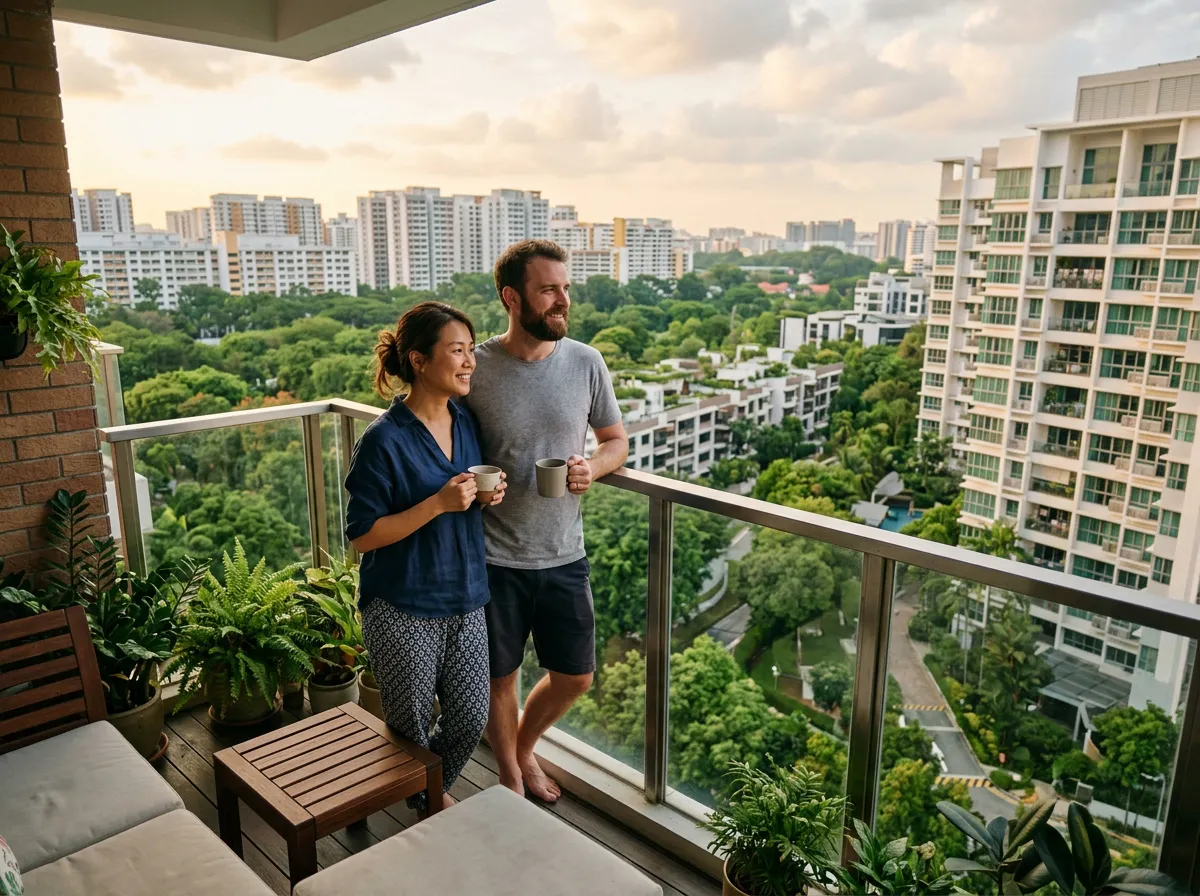
Private condominiums are open to permanent residents without the three-year wait or the family nucleus requirement, so a single PR can buy a condo where they could not buy a resale flat. ABSD still applies at the same rates. Landed residential property is different again, as it generally requires government approval for anyone who is not a Singapore citizen, and approval is not routine.
Planning the timeline
If a home is central to why you want permanent residency, work backwards from the three-year mark:
- Note the exact month your PR status was granted, since that starts the clock.
- Budget for ABSD in cash on top of your deposit, not as part of the loan.
- Assume no CPF housing grants when you model what you can afford.
- Factor in the five-year occupation period before you treat the flat as a sellable asset.
Working through it in that order tends to produce a realistic budget rather than an optimistic one, and it avoids the common mistake of committing to a purchase before the three-year eligibility is actually met.
How this fits the bigger picture
Housing is where the practical difference between permanent residency and citizenship shows up most sharply. PRs get access to the resale market and the right to settle here indefinitely, while citizens get new flats, grants and no ABSD on a first home. That gap is one of the main reasons families eventually look at converting their PR to citizenship, and it is worth weighing alongside the other benefits of Singapore PR.
If you are still at an earlier stage, our consultants can walk you through what permanent residency changes financially before you apply for Singapore PR, so the housing timeline is part of the plan rather than an afterthought.
Frequently asked questions about PRs buying HDB flats
Can a Singapore PR buy an HDB flat?
Yes, but only a resale flat, only after holding PR status for at least three continuous years, and only with a family nucleus. PRs cannot buy new flats directly from HDB.
How long must a PR wait before buying an HDB flat?
At least three continuous years of permanent residency, counted from the date your status was granted. The requirement applies to every applicant and co-applicant on the purchase.
Can a single PR buy an HDB flat?
No. HDB requires PR buyers to form a family nucleus, which usually means a married couple. A single PR can, however, buy a private condominium.
Can a PR buy a BTO flat?
No. New flats sold directly by HDB, including Standard, Plus and Prime classifications, are not available to permanent residents. Only the resale market is open to you.
How much ABSD does a PR pay?
As of 2026, 5 percent on a first residential property and 30 percent on a second. Citizens pay nothing on a first property. Rates are set by the authorities and can change, so check the current position with IRAS.
Do PRs get CPF housing grants?
Generally no. The CPF housing grants that reduce the cost of a resale flat for citizen households are not available to PR households, although you can still use your own CPF savings towards the purchase.
Can a PR buy a condo instead?
Yes. Private condominiums have no three-year wait and no family nucleus requirement, so a single PR can buy one. ABSD still applies. Landed property generally requires government approval.